


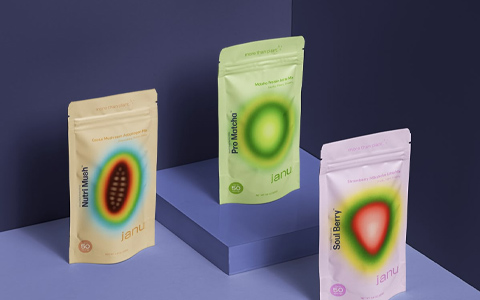


What Is Bio-Based Green PE? A Sustainable Plastic Solution for Flexible Packaging
As sustainability becomes a key factor in packaging decisions, brands are searching for materials that reduce environmental impact without sacrificing performance, safety, or recyclability. One solution gaining strong momentum is green pe, also known as bio-based polyethylene.
This material helps brands lower their carbon footprint while continuing to use familiar, high-performing packaging formats.
What Is Green PE?
Green PE is polyethylene made from renewable biological resources, most commonly sugarcane, not using fossil-based oil or gas. While the raw material source is different, the final plastic is chemically identical to conventional polyethylene.
This means green pe delivers the same strength, sealing performance, food safety, and recyclability as traditional PE. The key difference lies in where the carbon comes from renewable plants instead of fossil fuels.
It is important to note that green pe is bio-based, not biodegradable.
How to Identify if a Material Is Green PE
Green PE cannot be identified by sight or touch because it looks and performs exactly like conventional PE. Identification is usually done through:
Certification labels such as ASTM D6866 or ISCC PLUS
Supplier documentation stating bio-based PE content
Mass balance or chain-of-custody claims verified by third parties
Some packaging may also display logos such as “I am green™”, which indicates certified bio-based polyethylene.
How Is Green PE Made?
The most common production process for green pe uses sugarcane as the renewable feedstock.
First, sugarcane is harvested and processed into bio-ethanol. This bio-ethanol is then dehydrated to create bio-ethylene. The bio-ethylene is polymerized using the same industrial process used for fossil-based PE, resulting in green polyethylene.
Because the manufacturing process is identical, green pe behaves exactly the same during film extrusion, lamination, printing, and pouch making.
Is Green PE Biodegradable?
No, green pe is not biodegradable or compostable.
This is actually one of its biggest advantages. Because it behaves like conventional PE:
It is fully recyclable in existing PE recycling streams
It does not contaminate recycling systems
It supports circular economy packaging designs
This makes green pe ideal for recyclable mono-material flexible packaging.
Environmental Benefits of Green PE
Renewable carbon source
Sugarcane absorbs carbon dioxide from the atmosphere as it grows. This captured carbon becomes part of the plastic, creating a renewable carbon cycle and reducing dependence on fossil resources.
Lower carbon footprint
Compared with conventional polyethylene, green pe can significantly reduce greenhouse gas emissions. In some production models, the overall carbon balance can even be carbon-negative, depending on how boundaries are calculated.
No performance trade-offs
Green PE offers excellent sealing, strong mechanical properties, food-contact compliance, and chemical resistance. Importantly, brands can use it on existing packaging machines without modifications.
Typical Applications of Green PE in Packaging
Green PE is commonly used in:
Coffee packaging
Pet food pouches
Food and snack packaging
Personal care and household products
Recyclable mono-PE pouch structures
Common packaging structures include:
PE / EVOH / Green PE – EVOH (ethylene vinyl alcohol) provides oxygen barrier
MDO-PE / Green PE – MDO (machine direction orientation) improves strength and stiffness
Fully recyclable all-PE laminates
Certifications and Standards
Green PE can be supported by internationally recognized certifications such as:
ASTM D6866 for bio-based carbon content
USDA BioPreferred program
ISCC PLUS for traceability and mass-balance verification
These certifications help brands communicate sustainability claims clearly and credibly.
Top 10 Brands Using Green PE Packaging
Tetra Pak – Uses bio-based polyethylene layers in beverage cartons to reduce fossil plastic use.
Nestlé – Incorporates green pe in flexible packaging and caps for selected food products.
Unilever – Uses bio-based PE in personal care and household packaging.
Procter & Gamble – Applies green pe in flexible packs and rigid packaging components.
Danone – Uses bio-based PE in dairy and beverage packaging to lower carbon impact.
SIG – Uses renewable PE layers in aseptic carton packaging.
Elopak – Applies green pe coatings in paper-based beverage cartons.
Natura – Uses bio-based PE in cosmetic and personal care packaging.
Amcor (for brand owners) – Supplies flexible packaging structures incorporating green pe.
Heinz (selected markets) – Uses bio-based PE caps and components for food packaging.
These brands show how green pe can be scaled across global packaging systems.
Why Green PE Matters for Sustainable Packaging
Green PE bridges the gap between sustainability and performance. It allows brands to reduce their carbon footprint while maintaining recyclability, safety, and functionality — without requiring consumers to change how they recycle.
For brands targeting North American and European markets, green pe is a practical, scalable, and future-ready packaging solution. This shift is already reflected in real-world flexible packaging development, including work by Biopouches, where recyclable mono-material structures incorporating green pe-based laminates are designed to support lower-carbon packaging systems.
FAQs
What is Green PE?
Green PE is a type of polyethylene made from renewable biological resources, such as sugarcane, instead of fossil-based oil. It has the same chemical structure and performance as conventional polyethylene but with a lower carbon footprint.How is Green PE made?
Green PE is produced by converting sugarcane into bio-ethanol, then dehydrating it into bio-ethylene, which is polymerized like conventional PE. The resulting plastic is identical in properties to traditional PE.
Is Green PE biodegradable?
No, Green PE is not biodegradable or compostable. However, it is fully recyclable in existing PE recycling streams and does not contaminate recycling systems.
How can I identify Green PE packaging?
Green PE is visually identical to regular polyethylene. Identification is usually through certifications like ASTM D6866, ISCC PLUS, USDA BioPreferred, or labels like “I am green™”.
What are the environmental benefits of Green PE?
Green PE uses a renewable carbon source, reduces greenhouse gas emissions, supports circular economy models, and maintains high performance for packaging without changes to machinery.
What are typical applications of Green PE in packaging?
Green PE is used in coffee packaging, pet food pouches, snack and food packaging, personal care products, and recyclable mono-material flexible packs.
What certifications support Green PE claims?
Certifications include ASTM D6866 (bio-based content), USDA BioPreferred, and ISCC PLUS (mass balance and traceability).
Which brands use Green PE in packaging?
Brands using Green PE include Tetra Pak, Nestlé, Unilever, Procter & Gamble, Danone, SIG, Elopak, Natura, Amcor, and Heinz.
Can Green PE be used in existing packaging lines?
Yes, Green PE behaves exactly like conventional PE, so it can be processed with current extrusion, lamination, and pouch-making equipment.
Why is Green PE important for sustainable packaging?
It allows brands to reduce their carbon footprint while maintaining performance, safety, and recyclability — making it a practical, scalable, and future-ready solution.
Latest News


