




Zipper vs Non-Zipper Tear-Open Packaging: What Buyers Need to Know
Tear open packaging, also known as tear notch packaging, is one of the easiest types of packaging for consumers to use. You simply hold the pack and tear it from the small pre-cut notch. There's no tool needed and no confusing instructions. Because of this convenience, more and more brands are choosing tear notch packaging for foods, powders, snacks, pet treats, drink mixes, and even some non-food products.
Even though it looks simple from the outside, there are many small decisions that buyers must make before choosing this format. The type of product, how fragile it is, where it will be sold, and even the weather of the region can change the best packaging structure.
This guide explains everything you need to know in clear, easy words. If you're planning to use tear-open packaging for your product, this will help you avoid mistakes and choose what works best.
What Tear-Open Packaging Really Is
Tear-open packaging is made with a small nick on the side or top of the pouch. When the user pulls that part, the film opens in a controlled direction. It works for many lighter products and single-use items. It can be made with many different materials such as laminates, plastic films, recyclable films, and more.
This packaging style is popular because it opens quickly and easily, it doesn't require tools, it is cheap to produce, it works well for single-use or small portions, and when designed correctly, it gives a clean tear every time.
If you want to see how tear-open packaging works for the coffee industry, you can read our coffee packaging guide later. It explains how different materials affect coffee freshness.
Types of Tear-Open Packaging
Tear-open packaging comes in different forms depending on the product. Stick packs, sachets, small flat pouches, flow-wrap snack packs, portion-size packs, multi-lane sachets for powders, and larger pouches with tear notches can all be custom-made depending on what you're selling. The key point is understanding how the consumer will use it. For example, if the customer will open it while running or traveling, the tear must be easy. If the customer needs to pour out powder slowly, the tear must be straight and controlled.
Zipper Tear Notch vs Non-Zipper Tear Notch
A zipper tear-notch pack has both a zipper and a tear line. The consumer tears the top open once, and after that, they can close the pack again using the zipper. This is mainly useful for products that are used over time, like protein powders, drink mixes, baking powders, spices, and nutrition powders. These products rarely finish in one use, so the zipper works as protection.
Pros of zipper tear notch packaging :
Allows resealing and keeps products fresh longer.
Reduces product waste from exposure to air or moisture.
Offers better convenience for repeated use.
Cons of zipper tear notch packaging :
Slightly higher production cost than non-zipper packs.
The zipper mechanism can occasionally fail if not manufactured correctly.
Non-zipper tear-notch packaging is better for products that are eaten or used immediately. Items like small snacks, biscuits, candies, gummies, dried fruits, and single-serve products do not need a zipper. They are normally consumed in one go. The non-zipper version is cheaper and faster to produce.
Pros of non-zipper tear notch packaging :
Lower cost and faster production.
Simpler design, easier for the consumer to open.
Suitable for one-time-use portions.
Cons of non-zipper tear notch packaging :
Cannot reseal, so product may lose freshness if not consumed immediately.
Not ideal for powders or products used over time.
If you're specifically choosing packaging for items like chips or dry snacks, you might also want to read our blog how to choose right food packaging for snacks . It explains material behavior in more detail.
How Weather and Environment Affect Tear-Open Packaging
The environment where your product will be sold and stored plays a big role in what type of film structure you need. Many buyers only think about the product itself, but they forget about the climate.
For example, in humid places, moisture can affect powders. In cold regions, film flexibility changes, and hot regions can cause certain films to soften. Locations with high rainfall may need waterproof options.
Tear notch packaging can be waterproof or non-waterproof, depending on the layer structure of the film. For snacks and standard powdered items, fully waterproof structures are not always required because these products stay stable even without that layer. But for frozen items or regions with high humidity or temperature swings, waterproof or moisture-resistant packaging becomes necessary.
Every region has different temperatures, moisture levels, and logistics conditions. The safest way to choose is to speak with our team so we can understand the environment and guide you with the right structure. You can also reach us directly on our contact page for more personal support.
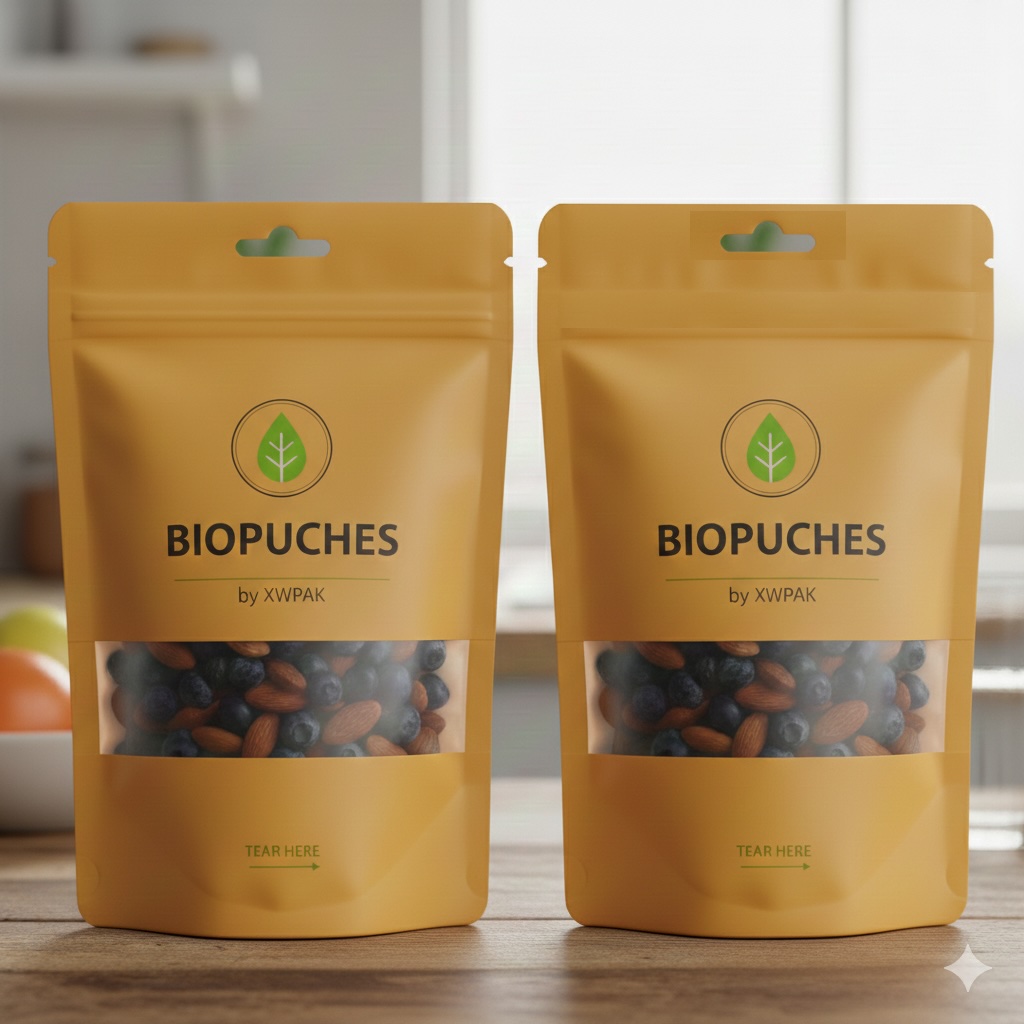
Tear-open packaging is ideal for small portion packs, one-time-use items, samples for marketing, travel-size packs, on-the-go consumption, and products that don't need long-term storage after opening.
For pet treats, the packaging allows pet owners fast access without fuss. You can learn more about this category in our pet food packaging guide, which explains how pet food reacts to oxygen and moisture.
In snacks, this format works especially well for individually packed wafers, candies, and energy bites. Tear-open packs are also popular for powders, drink mixes, and spices that are intended for immediate use or trial-sized samples.
When Tear-Open Packaging Is NOT the Best Choice
Not all products are suitable for tear-open packaging in their standard form. Chips and puffed snacks break easily, so a thin tear-open pouch may crush them during transport or handling. This doesn't mean you can't use tear-open packaging for these items—it just means that the design needs adjustments. Thicker laminates, stronger films, gusseted shapes, more air cushioning, or tube-shaped structures can protect fragile snacks.
We manufacture paper tubes similar to pringles for fragile snacks. This is why consulting with your supplier is important we have a seperate team for paper tubes (earthycores). What works for wafers may not work for puffed snacks, and what works for dry fruits may not work for fragile products.
Do You Need Waterproof Tear-Open Packaging?
Waterproofing depends on the product and where it is sold. For most dry snacks and powdered items, waterproof layers are usually not required. Products like chips, nuts, or biscuits are stable without them.
However, for frozen products, high-humidity regions, or products that absorb moisture, waterproof or moisture-resistant films are necessary. Many buyers assume waterproof packaging is always better, but it is not always required. Sometimes it only adds cost without real benefit. Consulting our team through the contact page helps avoid unnecessary expenses and ensures the packaging meets the environmental conditions of your market.
Material Choice for Tear-Open Packaging
Different foods require different films. Some need high oxygen barriers, others need grease resistance, and certain powders flow better in certain textures. Material selection affects tear strength, shelf life, grease protection, aroma preservation, powder flow, and production cost.
If you're choosing packaging for snacks, spices, coffee, or pet food, material selection will vary. You can see more details in our snack packaging guide, which explains how to match materials to food types. Your sales region also affects the film choice, as hot climates need different structures compared to cold climates.
Why Brand Experience Depends on Good Tear Design
A tear notch may look small, but it impacts the customer experience. If the tear doesn't open smoothly or tears sideways, the consumer gets frustrated. Poor tear design can make a product feel low quality.
Good tear design considers the tear direction, film thickness, notch position, and how layers respond when pulled. Done right, the customer gets a controlled, clean tear every time, which increases satisfaction and repeat purchases.
Choosing the Right Tear-Open Packaging
Tear-open packaging is simple for the consumer, but choosing it requires proper planning. You need to think about the type of product, fragility, usage style, weather conditions, distribution method, material structure, and whether you need a zipper or not.
Every product behaves differently inside the film, and every market has different climate conditions. The best way to avoid packaging mistakes is to talk with our team. We can help you pick the right structure for your product and your selling region.
FAQs
What is tear notch packaging?
A flexible pack with a pre-cut notch for easy opening, with or without a zipper.When should I choose zipper vs non-zipper?
Zippers are for multi-use products like powders; non-zippers are for single-use snacks.
Does tear notch packaging need to be waterproof?
Not always; only for frozen items or humid conditions.
Can fragile products use tear-open packs?Yes, but they may need thicker films or tubes like pringles style tubes (place hyperlink here).
How do I choose the right material? It depends on product type, shelf life, and climate; see our snack packaging (place hyperlink here) guide or contact us.
Latest News


